Beyond Taste and Price: 7 Purchase Drivers Shaping the Future of Food, Health and Tech
Jan 30, 2026
For years, we have been told that consumers make food choices based on a familiar set of purchase drivers: taste, cost, convenience, health and sustainability. These still matter a lot. But they no longer tell the full story.
We are entering a new era shaped by Gen Z and millennials who bring different expectations, values and lived experiences to the table. They have grown up in an always-on, digital-first world, with rising health concerns, a cost-of-living crisis and increasing mistrust of institutions. As a result, they evaluate food, health and technology solutions through a more demanding, more nuanced lens. This means the time has come to revise what we have known to be true.
At Qina, we believe that at the intersection of food, health and tech, seven purchase drivers stand out as especially important. They build on, rather than replace the classic drivers, but they better capture how people are actually making decisions today about what to eat, which digital tools to trust and where to invest their time, money and data.
Below, we unpack each of these seven drivers and what they mean for companies operating in this space.
1. Price: Value Under Pressure
Price remains one of the most powerful determinants of behaviour, especially in the context of a prolonged cost-of-living crisis. Even as interest in health and wellness continues to rise, many consumers simply do not have the financial flexibility to pay more for promises that feel vague or unproven.
Younger consumers in particular are juggling multiple pressures: student debt, rising rents, stagnant wages and economic uncertainty. They are keenly aware of trade-offs and are far more likely to ask, “Is this really worth it?”
This creates a higher bar for any solution at the nexus of food, health and tech:
Products and services need to demonstrate clear value for money, not just premium positioning. Claims must be grounded in credible science and measurable outcomes, rather than aspirational wellness language. Flexible business models such as tiered pricing, freemium access or modular add-ons can help consumers feel in control of what they pay for.
Price is no longer just about being the cheapest option or the most expensive for that matter. It is about perceived fairness, transparency around where value comes from, and whether the solution delivers results that justify the investment.

2. Convenience: Frictionless by Design
We live in a world where speed is king and attention is scarce. In this context, convenience is not merely a nice-to-have, it is a core expectation.
From logging meals and tracking biomarkers to ordering food or supplements, solutions must fit seamlessly into busy, fragmented lives.
That means:
-
Reducing the number of steps between intention and action (one-click, one-scan, one-photo experiences). Designing flows that work across devices, locations and moments of the day. Ensuring data mobility, so that information can move securely between apps, providers and platforms without constant user effort.
-
Considering whether the format fits the need, is powder better than liquid but less useful in capsule>
If a solution adds friction, AKA too many questions, repetitive data entry, clunky interfaces, consumers will quickly abandon it, regardless of how sophisticated the underlying science may be.
In practice, this means that teams need to think beyond feature lists and start designing end-to-end journeys that mirror how people actually live, eat and manage their health.
3. Effort Required: The Hidden Cost of Engagement
Closely linked to convenience is the effort required. As consumers become accustomed to one-click ordering, swipe-based interfaces and AI assistants, their tolerance for effort-heavy experiences is dropping rapidly.
Every extra step, every cognitive decision, and every manual input is perceived as a cost. When that cost is not clearly matched by value, people disengage.
For products and services in food, health and tech, this means continuously asking, “What are we asking the user to do here and is it truly necessary?” Using automation and smart defaults to minimise repetitive tasks. Offering progressive onboarding that starts simple and only introduces complexity as the user is ready for it.
The winners will be those who step into the shoes of the consumer and design experiences that respect their time, energy and cognitive bandwidth. Making it easy and making every interaction count is no longer optional.
4. Support: Human + AI, Not Human vs AI
As AI agents and chatbots are increasingly woven into digital health tools, consumers are beginning to expect 24/7 access to information and guidance. However, they do not want to interact with algorithms alone.
Trust in AI remains mixed, particularly when decisions relate to personal health, data or finances. Many people still want the reassurance, empathy and nuance that come from human experts, these include dietitians, health coaches, clinicians or customer support teams.
This points towards hybrid models where: AI handles routine tasks and first-line support (e.g. answering FAQs, summarising data, prompting next steps). Human experts provide interpretation, emotional support and personalised judgement, especially for complex or sensitive issues. Users can escalate easily from AI to human without feeling lost in the system.
Solutions that rely solely on AI risk feeling impersonal, unaccountable or even unsafe. By contrast, those that blend human and machine strengths can build deeper engagement and longer-term relationships.
5. Feedback: From Data Dumps to Meaningful Insights
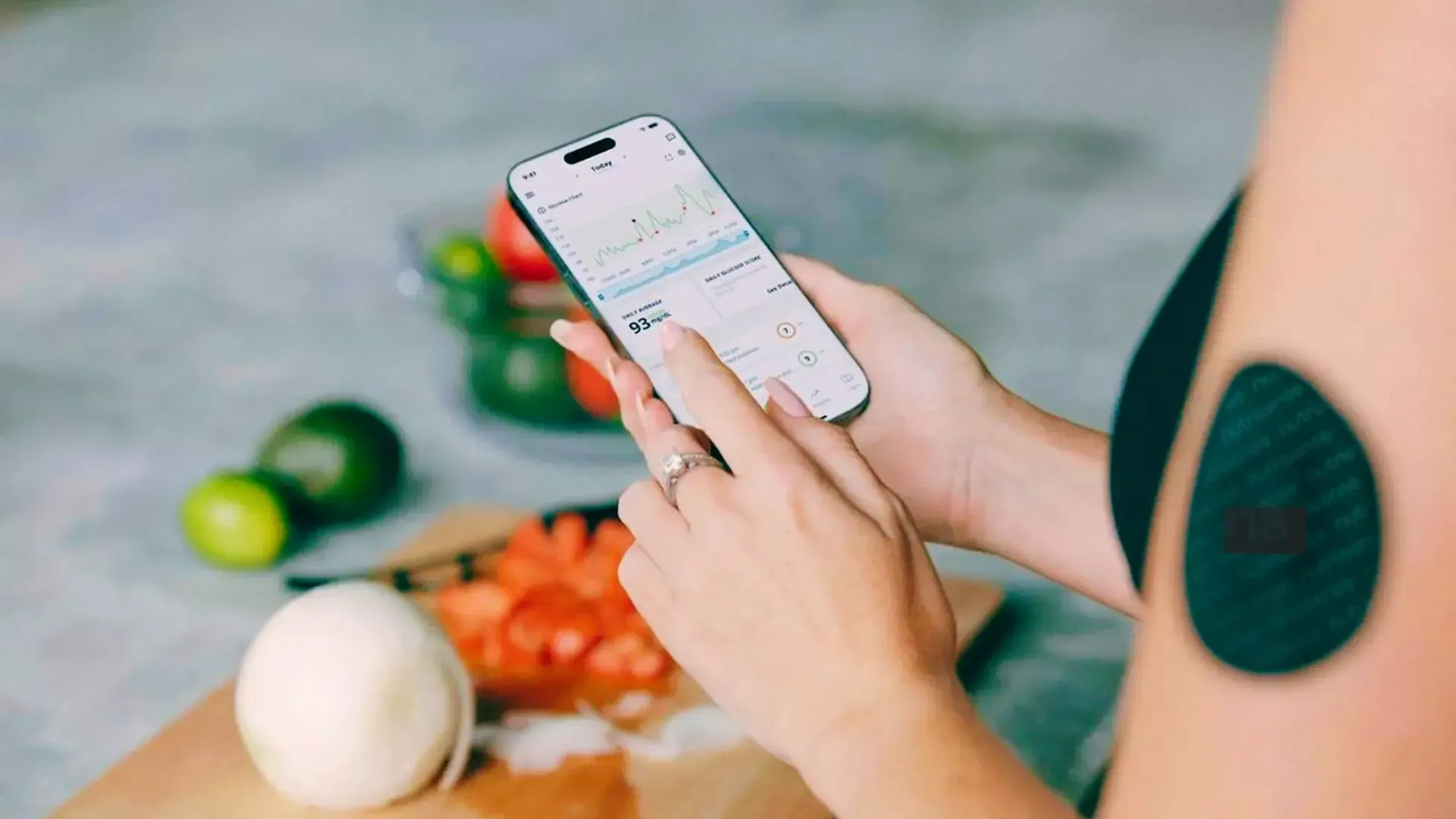
Consumers today are surrounded by charts, graphs and dashboards from step counts and sleep scores to blood sugar trends and stress levels. Yet more data does not automatically mean more clarity.
What people increasingly want is practical, digestible feedback that answers a simple question: “So what should I do next?”
Effective feedback in this space should be:
-
Actionable: Translating complex data into 1–2 clear, realistic suggestions the user can follow today.
-
Contextual: Taking into account personal goals, preferences, constraints and cultural context.
-
Chunked into small steps: Helping users integrate changes into their routines gradually, rather than overwhelming them with an all-or-nothing plan.
For brands, this is an opportunity to move from simply reporting data to truly supporting decisions and behaviour change. The shift from numbers to narrative “Here’s what we see, here’s why it matters, and here’s what you can try” is where real value is created.

6. Impact / Effects: Proving That It Works
Against a backdrop of rising distrust in science, politics and regulation, consumers are asking harder questions about impact: “Does this actually work? For people like me? Over time?”
Health and wellness solutions can no longer rely on vague promises or generic before-and-after stories. Instead, they are expected to:
Show measurable outcomes, whether that is improved biomarkers, symptom reduction, better energy or changes in habits.
Be transparent about the strength and limits of the evidence behind their claims. Help users track progress in ways that are both scientifically grounded and personally meaningful.
Invest in research as science is becoming more important, not less, in the minds of discerning consumers. The challenge is to present it in a way that is accessible, honest and directly connected to lived experience.
Take a long-term view towards health - At the intersection of food, health and tech, this also means designing for longitudinal impact thinking beyond short-term engagement metrics towards sustained health benefits and real-world outcomes.
7. Risk: From Planet and People to Data and Trust
Sustainability remains a key consideration, especially for younger generations who are deeply concerned about the future of the planet. But the idea of risk is broadening.
In addition to environmental impact, consumers are now actively assessing:
-
Personal data risk: Who has access to my data? How is it used, shared or monetised? Can it be deleted? Privacy and security: What happens if there is a data breach? How visible are my habits, locations or health status to others?
-
Fairness and benefit-sharing: Are companies using my data to create value that I never see, or does some of that value flow back to me in the form of better services, insights or rewards?
-
Alignment with personal values and beliefs: Younger consumers, in particular, are quick to call out misalignment between brand messaging and actual practices. They expect transparent communication, strong data governance and options that give them genuine control.
In practical terms, this means that risk management needs to be built into the value proposition from day one, not bolted on later as compliance. Clear policies, consent mechanisms and explainable AI are now part of what makes a solution attractive and trustworthy.
What This Means for Companies at the Nexus of Food, Health and Tech
Taken together, these seven drivers Price, Convenience, Effort Required, Support, Feedback, Impact/Effects and Risk offer a more realistic lens on how consumers navigate choices in a rapidly evolving landscape.
For innovators, brands and healthcare organisations, a few implications stand out:
-
Design for real lives, not ideal users. Assume time pressure, financial constraints and competing priorities. Make it easy to start, simple to continue and worthwhile to stay. Blend human empathy with AI efficiency. Use technology to scale, but keep humans in the loop where it matters most.
-
Move from features to outcomes. Anchor your story in the tangible differences you make to people’s health, routines and peace of mind. Treat data as a relationship, not a resource. Respect for privacy, transparency and fair value exchange will increasingly differentiate trusted partners from the rest.
Ultimately, rethinking purchase drivers is not just a marketing exercise. It is a call to re-design solutions around the realities, aspirations and constraints of the next generation of consumers.
Those who listen carefully and build with these seven drivers in mind will be better positioned to create sustainable value at the intersection of food, health and tech.
At Qina we are tracking the industry and provide expert insights and support to executives operating in this new era where health and prevention rule. Subscribe to our free monthly newsletter or get in touch.