Digital ecosystems in personalized health a dream or tangible reality
Apr 24, 2026
The intersection of health, food, technology, and society is undergoing a seismic shift. No where is this more evident than in the rapid adoption of GLP-1 agonists, wearable tech and chat tools (LLM’s) all happening in concert. These ripple effects are felt across industries impacting nutritional & health status, consumer behavior, even shifts in how healthcare is being delivered.
What is Happening at the Intersection of Health, Food, Tech, and Society?
GLP-1 agonists have seen a 500% increase in prescriptions over the past five years, with the US leading global adoption. By 2035, it’s estimated that 9% of the US population will be on these drugs. While their effectiveness in weight loss and diabetes management is clear, the unintended consequences—particularly around nutrition—are only now coming into focus.
Recent studies show that GLP-1 users are at significant risk of nutritional deficiencies. Appetite suppression, reduced food enjoyment, and digestive side effects are leading to inadequate intake of key macro- and micronutrients (including vitamins A, D, E, K, protein, iron, calcium, and more). Alarmingly, over 22% of users develop nutritional deficiencies within a year of starting treatment.
At the same time, the market is flooded with at-home test kits, devices and platforms that claim to provide personalised advice at once and at scale. While accuracy is improving in many of the devices and apps, most are not able to demonstrate significant behavioural or health outcomes.
This means that demand for lifestyle support whether human or digital is on the rise. It means that advances in AI are re-shaping how we engage and track health and it means that the boundaries between food and pharma have become increasingly blurred. Consumers want food and beverages to “act” more like a medicine, while medicine (AKA Pharma) is increasingly dipping its toes in the overflowing pool of “prevention”.
How Is this Playing Out in the Marketplace?
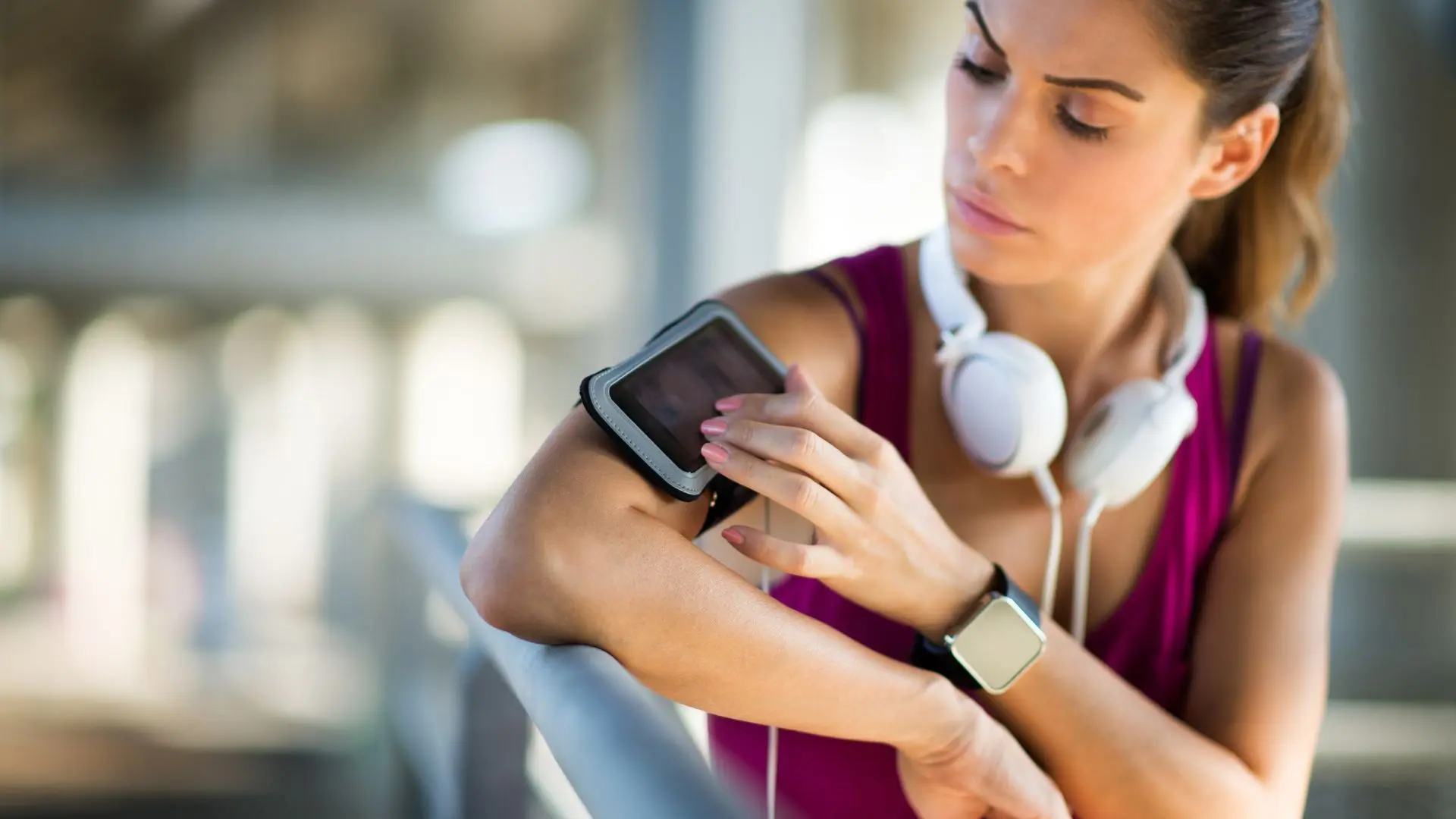
The market is dynamic, increasingly crowded and arguably less fragmented as top wearable companies create digital ecosystems around their wearable devices. We increasingly see how strategic partnerships, data-sharing and ecosystems are the flavour of the day, opening up new avenues to provide better personalization in terms of health and nutrition, yet privacy remains a key concern for consumers. While the number of publications are increasing Year-on year, it is outpacing the number of patents issued potentially hinting that access to data and delivering on the dream of personalization is more important than a patent in his digital age.
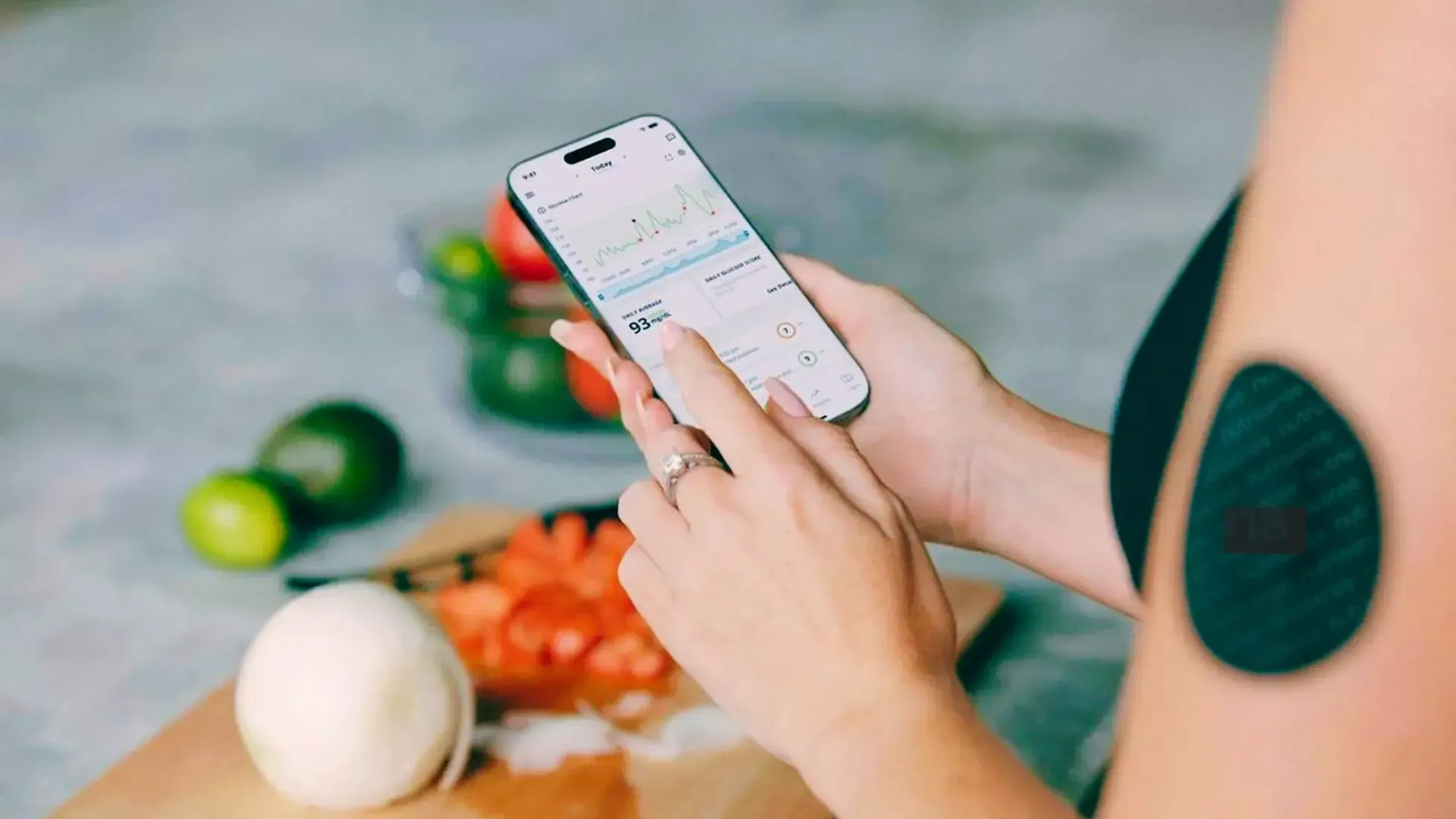
For example: Oura (sleep tracker) recently acquired Veri a metabolic health solution that provides personalised nutrition advice based on data from a continuous glucose monitor. The solution then recommends strategies to lower blood sugar levels such as nutrient composition and exercise. Oura also rolled out its “Meals” feature which allows for meal tracking and provides personalized feedback through a virtual AI coach.
Whoop recently partnered with Plait to offer meal plans and recipes based on insights gathered from the wearable and Abbott also invested in them
The Galaxy watch (Samsung) has been fitted with a sensor that measures antioxidant levels in skin, nudging users when to increase their consumption of fruit and vegetables to improve their readings.
Consumers want food and beverages to “act” more like a medicine, while medicine (AKA Pharma) is increasingly dipping its toes in the overflowing pool of “prevention”.- Mariette Abrahams
Where Are the Gaps and Barriers?
Despite access to a sea of data and lightning-fast AI that can blend data points and deliver insights at a speed no human can, this does not necessarily translate to better health outcomes (yet). In fact, a recent report of European consumers by STADA Health indicated that the say-do gap exists largely because of a lack of motivation (41%), and 31% stated a lack of time, not a lack of access to data. With 96% of consumers interested in living a healthy lifestyle only 51% follow through. Consumers know what to do, it’s where and how to start that needs to be addressed.
Furthermore, there is a lack of support with consumers needing to pay out of pocket to access nutrition experts, paying a premium for healthier options, and needing to fork out for wearable devices of which the data is not included or routed into electronic health records.
So far, it is only the big tech companies that are benefiting from the dust-gathering devices, the unused data collected from surveys and biometrics. There also does not appear to be any appetite to conduct the necessary research to understand who benefits from what advice and why as the data collected is siloed, incomplete, and unstandardized. Let’s not even talk about the unconsented, consented data.
Another obstacle is the explosion of Generative AI platforms that exclude the human touch and the human expert. This spells trouble at a time where, actually, the consumers who are feeding the algorithms with data are often not the ones who would benefit the most. This lack of access perpetuates the existing health inequality that has been plaguing healthcare systems for centuries.
One other risk that we see, is the spreading of misinformation, which regularly includes personal anecdotes or cherry-picked science. The danger is that this can erode the trust in subsequent solutions that do work or can demonstrate efficacy. A community-based approach where members support each other further risks the spreading of misinformation as louder community members may exert their perspectives, attitudes and values onto others who may have just started on their health journey.
At this point, where AI still hallucinates and incredibly biased, we cannot exclude the human expert from the loop.
96% of consumers interested in living a healthy lifestyle only 51% follow through - STADA Health report
What does this mean?
This means that we need a new narrative, one that inspires, one that supports, one that is affordable and one that brings different players that contribute to health into one ecosystem. This ecosystem not only connects and informs, it also creates new value and data that unravels the million dollar questions of what works best for whom and why.
The big question is how do we ensure that a new digital ecosystem benefit all? How do we ensure that consumers want to engage with their health because it’s easy and they get something in return (such as personalised feedback and discounts) without leaving anyone behind and without risking widening inequality?
What is needed?
-
A new digital ecosystem that brings together all stakeholders—patients, healthcare providers, nutritionists, food companies, and tech innovators that all stakeholders trust
-
Personalised, data-driven interventions that adapt to individual preferences, symptoms, capabilities, and motivations.
-
Behavioral support that starts before treatment and continues throughout the journey, setting expectations and building sustainable habits.
-
Affordable, accessible solutions—from meal kits and recipes to supplements and chatbots—tailored to the unique needs of GLP-1 users.
-
Longitudinal, consented real-time data
-
A new business model that rewards users to engage with their health and the supporting system (companies, healthcare providers, food retailers) to propel and sustain the healthy behaviour.
What Could a New Digital Ecosystem in Personalised Health Look Like?
# 1 Imagine a seamless, user-centric platform that integrates: Biological data (genetics, microbiome, metabolic markers) and psychological data (emotional eating, stress, food preferences). One that provides AI-driven recommendations that guide users to the right foods, supplements, and behaviors—at the right time. A system that automatically loops in Dietitians and healthcare professionals with real-time data to inform care creating new professional development opportunities and careers for new graduates. A system that delivers behavioral nudges and educational content that is delivered in context and by preferences, helping users make better choices every day.
#2 One where Social determinants and psychological support is embedded, recognizing the complex relationship between food, identity, culture, community and wellbeing.
This is not new, nor is it a distant vision; in fact, it has been tried twice already by companies such as Happ and the EU-funded project Quisper. Important lessons have been learned, and yet the nut is yet to be cracked by someone who can figure out the moving and often missing pieces.
At Qina, we are building this future which is already here. We believe in the power of science, partnerships, societal impact and sustainability to solve these old problems in new and creative ways.
The future of health is personalised, digital, and collaborative. Are you ready to be part of it?
My name is Mariette Abrahams CEO & Founder of Qina, a strategic nutrition innovation consultancy and platform operating at the intersection of food, health, tech and society in the emerging area of Personalized health. To learn more about how we work with companies in Food, Ingredients, Supplements and Health-tech to develop the next generation of health solutions, get in touch.