GLP-1 patient, consumer, or something new?
Jun 15, 2026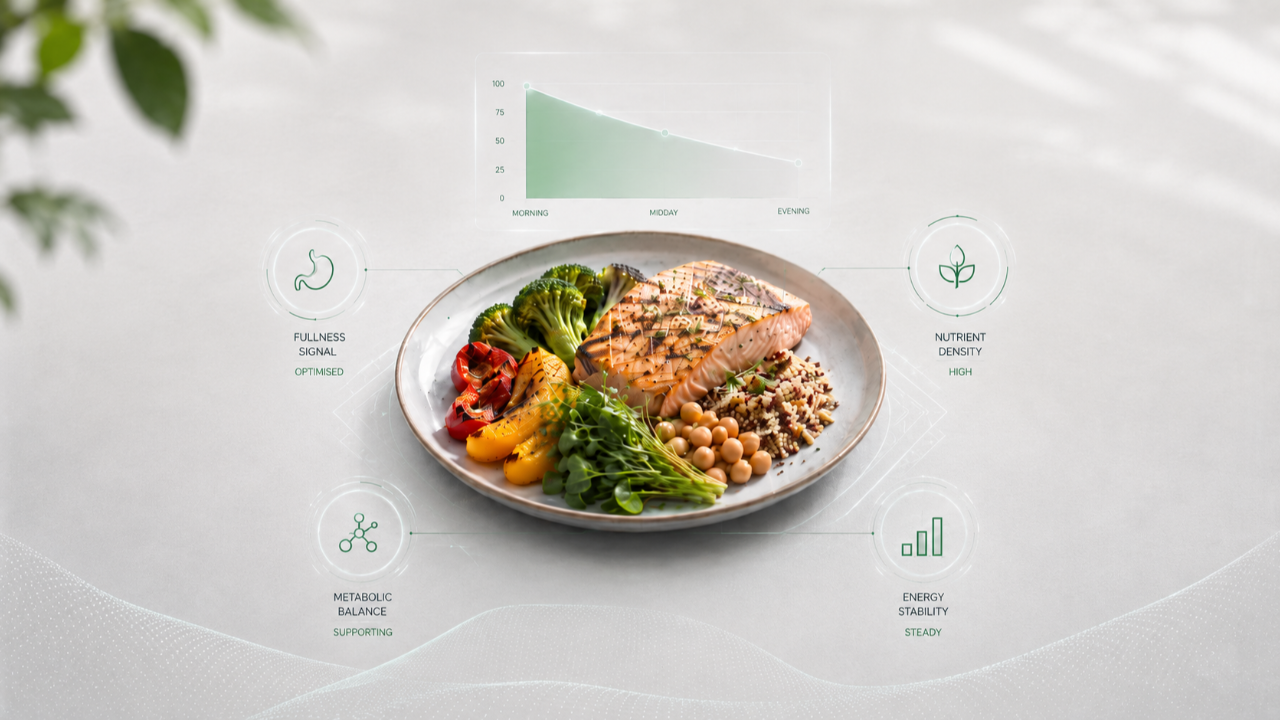
Written by Stephanie Tucker
What happens when a medicine designed for diabetes and obesity starts changing the way people eat, shop and think about health?
That is the question GLP-1 is now forcing the market to answer.
For years, GLP-1 medications sat firmly inside a clinical frame. They were associated with treatment, disease management and medical intervention. But that frame is no longer enough. Today, GLP-1 use is expanding into appetite control, behaviour change and personal optimisation. As that shift accelerates, the line between “patient” and “consumer” is becoming increasingly blurred.
The scale of the change matters. According to KFF, around 1 in 8 people in the US are GLP-1 users. In the UK, over 2.6 million adults used GLP-1s last year, and an additional 3.3 million said they would be interested in using them in the next year, according to IGD. The UK picture also shows how the market is evolving: almost 38% of people taking GLP-1 analogues are using them exclusively for weight loss, and most access them privately.
These numbers point to something bigger than demand for a class of drugs. They point to a broader change in how people are managing health.
One reason GLP-1 has become so influential is that its effect is not only clinical. It is behavioural. The source highlights that GLP-1 medications are linked with decreased short-term appetite and food intake, and that changes in food preferences and ingestive behaviour help explain weight-loss effects. It also points to reductions in self-reported emotional eating after starting a GLP-1 receptor agonist.
But perhaps the most culturally important signal is the reduction in “food noise.” For many users, the attraction is not simply eating less. It is feeling less mentally preoccupied by food. That change influences not only how much people eat, but also what they choose, how they shop and how often they eat out.
This is already visible in the market. In a survey by Focus Bankers, 31% of GLP-1 users self-reported eating smaller portions, 27% said they ate healthier foods, and 23% reported dining out less often.
For food and nutrition brands, that is a major signal. Demand may shift away from volume and toward quality, density and relevance. Product categories built around indulgence, frequency or oversized portions may need rethinking. At the same time, new opportunities are emerging for products and services that support changing habits more thoughtfully.
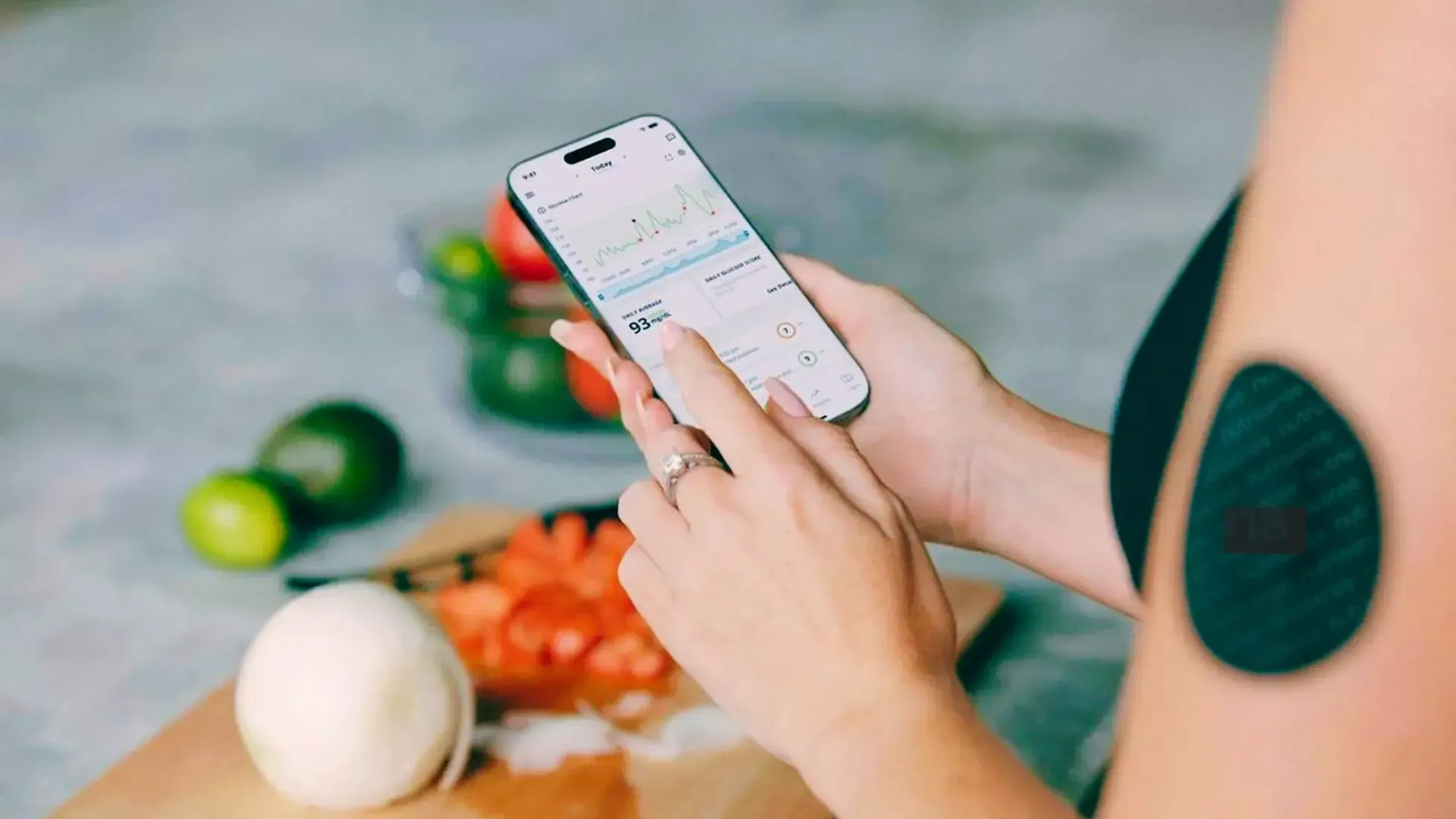
This is why the GLP-1 user should not be understood only as a patient. Nor are they simply a conventional lifestyle consumer. What is emerging is a hybrid audience: people using pharmaceutical tools as part of a wider effort to manage appetite, improve habits and pursue longer-term health goals.
That shift also helps explain why GLP-1 is increasingly influencing adjacent categories, especially beauty and wellness. The source cites IQVIA data showing that 51% of GLP-1 users started using nutricosmetics and 34% started using dermo cosmetics. This suggests that many users are becoming more attentive not just to metabolic health, but to appearance, self-monitoring and overall self-management.
For brands, the temptation may be to see this as a straightforward growth opportunity. But that would be a mistake.
The real opportunity is strategic, not superficial.
Brands need to think carefully about what support looks like in a GLP-1-shaped market. The source points to several priorities. First, the focus should be on nutrient density rather than simply “eating less.” If appetites are smaller, every eating occasion matters more. Second, brands may need to rethink packaging, portion sizes and nutritional formulation. Third, products and services should fit into a broader behaviour-change journey rather than existing as isolated transactions.
Messaging matters just as much as product design. Communication should be empathetic, practical and non-stigmatizing. It should reflect shared values, self-efficacy and long-term health goals rather than shame or aesthetic pressure.
That is especially important because the crossover between health and beauty is real, but it needs careful handling. Brands should avoid reinforcing a “skinny = healthy” narrative. They also need to recognise the ethical complexity of this market. In many cases, access remains private and costly. That means brands should be cautious not to suggest that people who can pay out of pocket are more committed to their health than those who cannot.
In other words, GLP-1 is not just changing consumer demand. It is changing the responsibilities that come with serving that demand.
The brands that respond best will be the ones that understand the full picture: science, behaviour, identity, nutrition, personalization and ethics. They will recognise that GLP-1 is not only a pharmaceutical trend, but part of a wider shift in the self-management of health.
And that is why the most important question is no longer “Is this a patient?” or “Is this a consumer?”
It is: what does responsible innovation look like for a user who is now both?
Qina is a strategic nutrition innovation consultancy and platform operating at the intersection of Food, Health and Tech. We combine real-time consumer data, market intelligence, domain expertise and real-world research to help companies create the future of health. We provide strategy, innovation and research services. Get in touch by sending us an email or booking a call.