Food is now key health infrastructure
Jul 28, 2026
Written by Mariette Abrahams
The conversation around GLP-1 has moved quickly. What started as a pharmaceutical story is now becoming a much broader innovation story one that touches food, beverages, ingredients, digital health, prevention, and personalised nutrition.
For companies across the food and health value chain, this matters for one simple reason: GLP-1 is not just changing appetite. It is changing expectations. I am invited to deliver keynotes on this topic more frequently recently and decided to write up this summary based on my recent presentations at the Bridge2Food and Foodmatterslive events.
We are seeing a structural shift toward a more health-focused consumer mindset, shaped by several forces at once: rising interest in prevention, wider use of AI-enabled health tools, increased attention to metabolic health, and growing demand for products that support healthier routines in real life.
In that context, food is no longer being viewed only as enjoyment or convenience. It is increasingly being evaluated through a health lens.
That is why I believe we are moving beyond the old framing of “food as medicine” toward something broader: food as health.
This is an important distinction. Food as medicine often implies intervention after risk is established. Food as health places nutrition across the full spectrum from prevention and daily wellbeing to targeted support and medical nutrition.
A new type of consumer is emerging
The most important market shift is not simply that more consumers are hearing about GLP-1.
It is that a new behaviour profile is emerging around it.
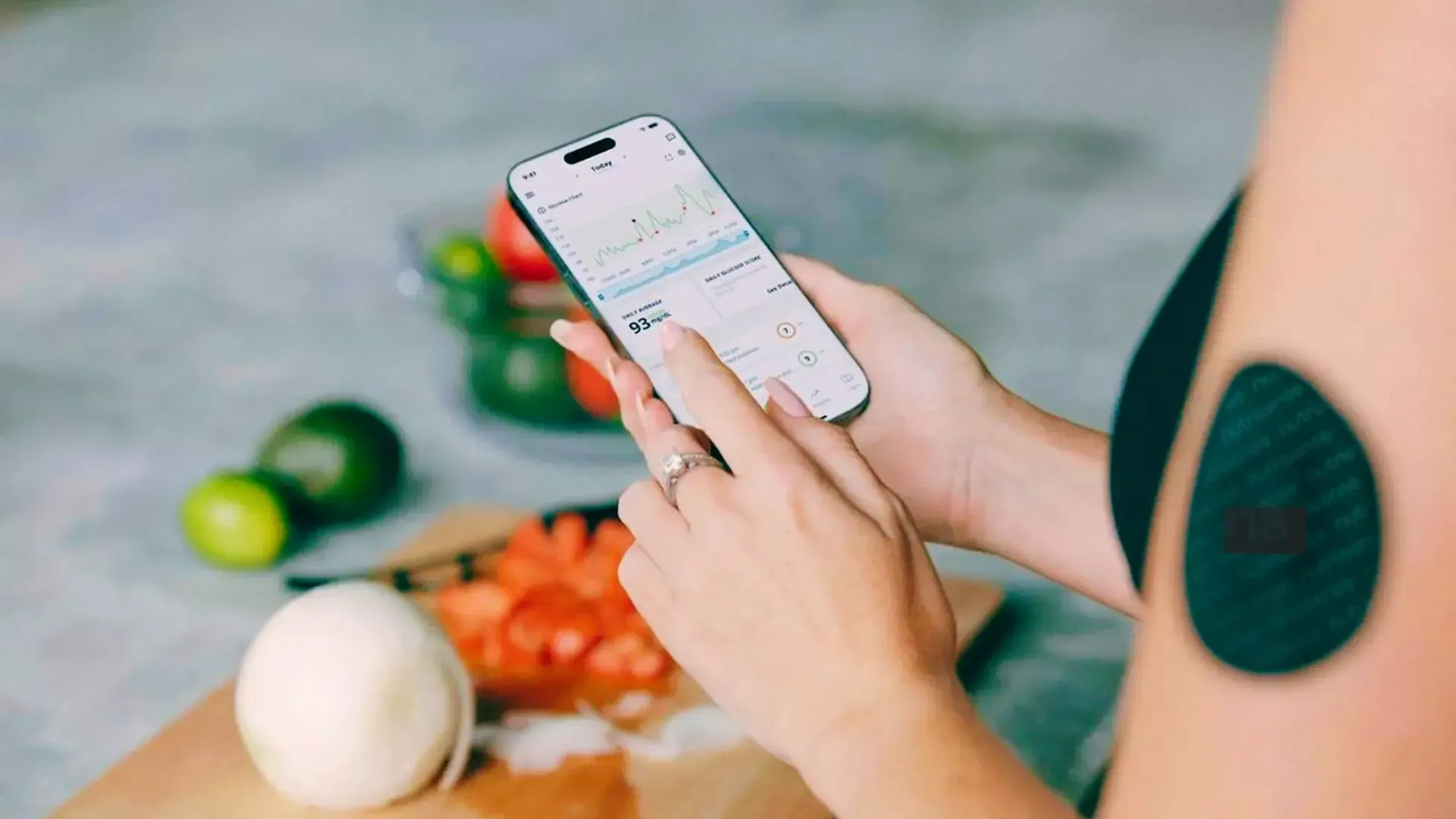
These consumers are not thinking in traditional industry silos. They are combining medication, food choices, supplements, wearables, apps, coaching, and self-tracking into a broader health routine.
-
They are reading labels more closely.
-
They are scanning barcodes.
-
They are experimenting with supplements and functional products.
-
They are eating smaller portions.
-
They are often reducing alcohol and discretionary snacking.
-
And many are looking for better energy, better metabolic health, better quality of life, and longer-term healthspan — not just weight loss.
This changes the innovation brief.
The question is no longer: How do we create products for a dieting consumer?
The real question is: How do we create products, services, and experiences for a healthspan-seeking consumer whose needs change over time?
Why legacy innovation models are falling short
Many companies still rely on static personas and broad consumer segments. But that approach is increasingly inadequate.
GLP-1-related needs are dynamic. They vary depending on:
-
stage of treatment
-
appetite level and eating frequency
-
tolerance and digestive comfort
-
health goals such as longevity, metabolic health, gut health, or muscle preservation
-
taste and texture preferences
-
desire for convenience, efficacy, and routine integration
This is exactly why generic positioning is no longer enough.
Winning solutions will need to account for factors such as satiety, nutritional density, hydration, protein intake, micronutrient support, texture, portion design, and ease of use.
In other words, the opportunity is not just to make products that are “better for you.”
The opportunity is to make products that are fit for a new context of use.
From prevention to medical nutrition: the market is already expanding
One of the clearest signals in the market is the widening spectrum of products being developed.
Innovation is now appearing across multiple layers, including:
-
fresh and frozen foods in smaller, nutrient-dense portions
-
lifestyle products designed for convenience or meal replacement occasions
-
targeted nutrition solutions such as pre-meal support or lean-mass support
-
functional ingredients designed to be mixed, added, or combined
-
healthspan-oriented products for consumers with smaller appetites
-
medical nutrition designed to address or prevent undernutrition
This is significant because it shows that GLP-1 is not creating a niche trend.
It is accelerating convergence between food, health, and care.
The next phase is ecosystem innovation
The companies that win in this space will not think only in terms of products.
They will think in terms of ecosystems.
Why? Because long-term success in this category depends on more than a formulation claim.
Consumers need support that fits into everyday life.
They need products that work within smaller consumption moments.
They need behavioural reinforcement.
They need solutions that integrate into broader health journeys.
And increasingly, they expect some combination of digital feedback, expert guidance, and personalisation.
The Qina take
This is where the market is heading: away from isolated products and toward connected solutions that combine food, nutrition expertise, digital tools, real-world feedback, and measurable outcomes.
That requires a different innovation model — one built around four key levers:
-
Real-time feedback and data
-
Outcomes-based value
-
Prevention-focused support
-
Personalisation
Together, these levers can help companies move from assumption-led innovation to evidence-informed innovation.
The real white space is not just protein
Protein is currently receiving much of the market attention and rightly so.
It is highly visible, easy to communicate, and strongly associated with satiety and muscle support.
But the bigger opportunity may lie in what remains under-explored.
Areas such as hydration, fibre, micronutrients, flavour and taste optimisation, personalised nutrition, and supportive devices all represent meaningful whitespace.
The strategic challenge is not simply identifying these spaces. It is understanding how to combine them in ways that reflect real consumer routines, real nutritional risks, and real motivations.
That is where better, high quality, real-time and longitudinal data becomes essential and what the Qina Food Health ecosystem is trying to solve. Qina is a personalised nutrition innovation consultancy and Food Health intelligence platform that combines data, domain expertise, outcomes and market intelligence to help food, ingredient, pharma, and digital health companies turn real-world data into better products, services and partnerships.
What food and health leaders should do now
For leaders in food, beverage, ingredients, health-tech, and corporate innovation, three priorities stand out:
1. Build around real consumer segments, not abstract categories
Understand which consumer type you are designing for, what stage of the journey they are in, and what problem you are actually solving.
2. Communicate health value clearly
Consumers and industry partners increasingly want clarity on benefits, relevance, and evidence. Broad wellness language is no longer enough.
3. Form the right ecosystem partnerships
No single company is likely to own this opportunity alone. The strongest models will combine product, data, behavioural support, practitioner insight, and real-world evidence.
Final thought
GLP-1 may be the catalyst, but the bigger story is the emergence of a health-first world.
In this world, food innovation will need to do more than deliver nutrients or convenience.
It will need to support outcomes, integrate into daily routines, and work within a broader ecosystem of health, technology, and personalised support.
The brands and partners that understand this earliest will be best positioned to shape the next era of food and beverage innovation.
Sign up for the monthly Food Health ecosystem newsletter where we cover important shifts and developments in the space that all executives should stay ahead of.