Wearables and ecosystems are the new drivers of preventative health transformation
May 25, 2026
The last couple of months have been dizzying to say the least. So if you find it difficult to keep up with the news, it will definitely be difficult to make sense of it all, so I will summarize two major shifts happening that you should be aware of in the world at the intersection of Food, Health & Tech.
Written by Mariette Abrahams PhD MBA
1. Ecosystems rule in delivering on convenience, but lacking on outcomes
There is a clear shift away from simply platforms to integrated ecosystem, where different services are offered under one roof. This may be the same company, or one company offering products and services from different brands.
For example: Amazon recently launched their One medical ecosystem for GLP-1 users. This means that users can get a prescription, have it filled by an online pharmacy and shipped to the community where they can also get access to nutrition coaching. The USP is ease of access, convenience and wrap-around support.
Why it matters:
GLP-1 is changing the landscape completely across different verticals. This shift towards an ecosystem signals a move into on-tap care and seamless integration from clinical to community. Brands should sit up because Amazon also own Wholefoods and so understanding the role of continuous data can mean make or break for brands who do not hold the long-term relationship with the client. Despite having everything under one roof, does not mean the care is better or more impactful, for that we need quality and reliable data which is still lacking.
2. Wearables are integrating Electronic health records (EHR's) and hiring Dr's
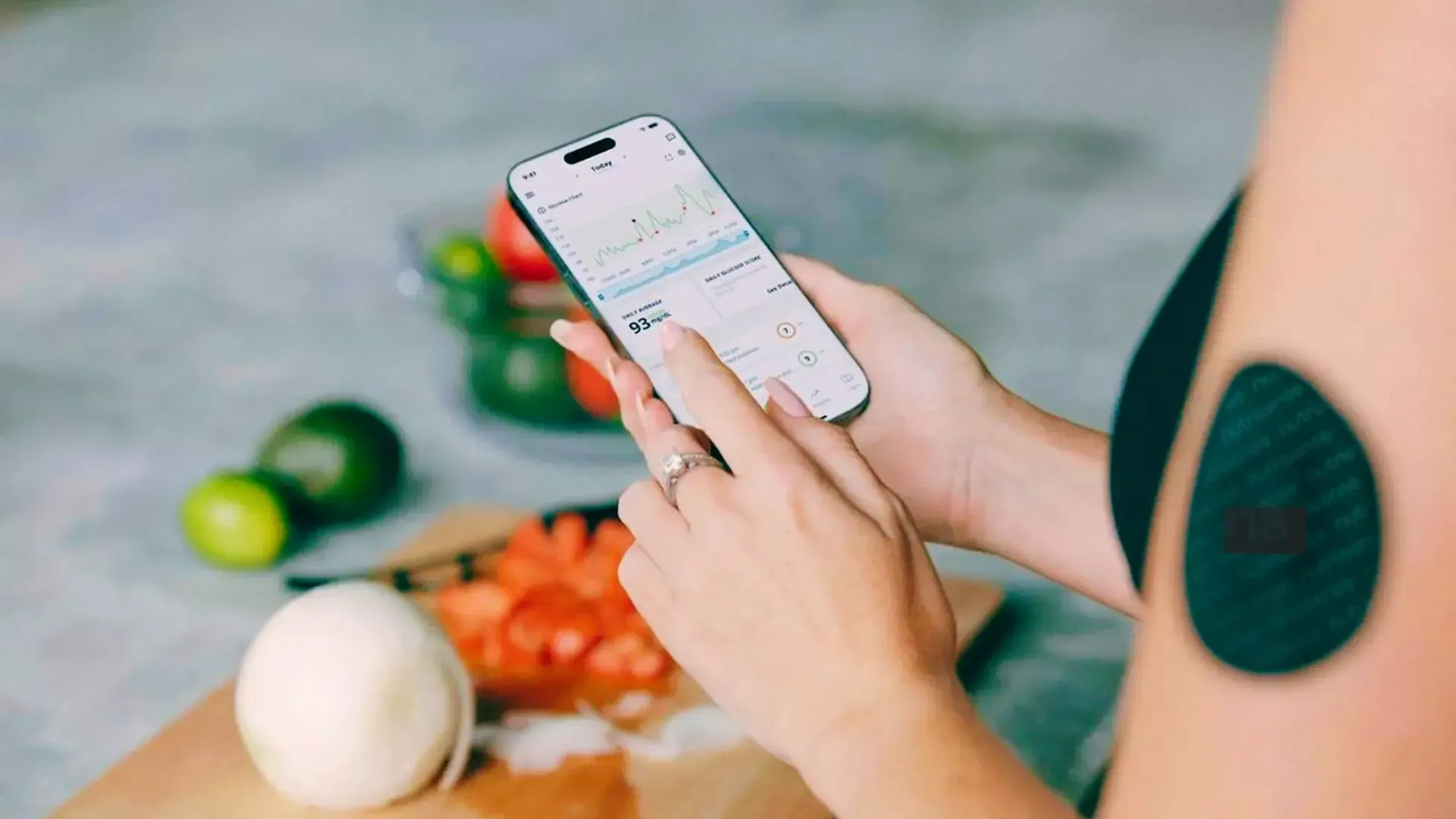
Another major shift we see is the integration of wearables into EHR's. What this signals is that real-world wearable data is at a point where it can provide insight and context into behavior and choices of users. This is important for understanding better what is needed and what can be ditched.
For example Whoop has recently integrated EHR's into their platform and hired Dr's to provide support. The wearable collects and analyzes lifestyle data which the AI coach uses to provide personalised recommendations and guidance. Plus Google Health just announced the launch of their $99 (Fitbit-esque) no screen wearable that integrates with medical records and stored in your very own personal health data wallet.
Why this matters
These early signals point to a direction whereby clinical judgement, critical thinking and context will win where currently AI fails.
The Qina take
The global shift towards prevention is positive one, yet many are actually living with chronic conditions. Consumers are becoming more hyper-critical and demanding more from brands, which means companies need to step up to demonstrate efficiacy, investing in research and leaning into more critical thinking. The lines between pharma, health, lifestyle and wellness are becoming increasingly blurred and the same is happening in food. Data is at the heart of reliable AI tools and clinical proof. Without these, the industry looks to risk trust and increase risk.
Qina is a strategic nutrition innovation consultancy and platform operating at the intersection of health, tech and wellness. Qina provides strategy, innovation and research services to companies looking to create the next generation of evidence-based solutions with a health impact.
To learn more about the shifts in the industry and why it matters for innovation across verticals for the Healthspan-seeking consumer, sign up for our free monthly newsletter.