
From weight loss apps to metabolic health platforms
Aug 13, 2026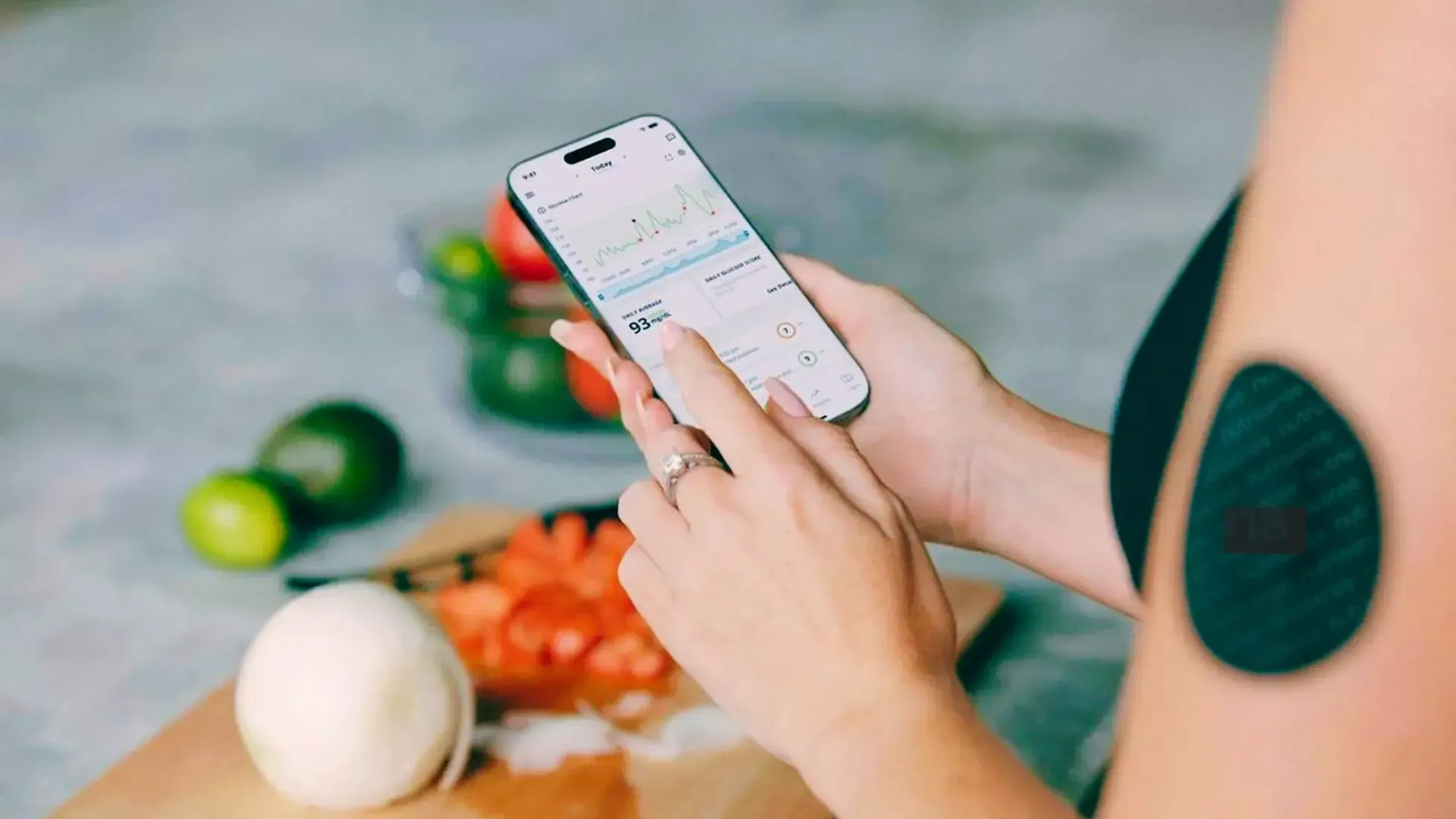
From GLP-1 medications to continuous glucose monitors and AI-powered coaching, a new generation of platforms are transforming how people understand and manage their bodies. This article explores how weight is being redefined as just one signal within a broader picture, and what this shift means for individuals, healthcare, and the future of nutrition.
Written by Stephanie Tucker (ANutr)
The Shift
Not long ago, most weight loss apps were calorie counters with push notifications. Today, the most ambitious weight loss platforms no longer sell weight loss – they sell continuous health intelligence. The category is undergoing an identity shift blending clinical care, consumer technology and nutrition into a single ecosystem.
The new promise is not “lose 10 kilos.” It is “understand your body in real time - and act on it.”
This shift is being driven by three converging forces:
- The medicalisation of weight management through GLP-1 drugs
- The explosion of personal health data
- Rising consumer expectations for personalised, always-on support
Together, these forces are redefining what “weight loss” means.
What has changed?
GLP-1s have fundamentally reframed obesity from a lifestyle issue to a clinical condition. With GLP-1s becoming mainstream, weight management is increasingly treated within a medical model; complete with prescriptions, monitoring, and long-term care pathways.
With that the development of behaviour change science into platforms is also impacting the industry. Platforms are combining CBT, coaching and gamification with real time data loops. The result is a tighter feedback system:
See it, understand it, change it.
Layer onto that the maturation of behaviour change science. Platforms are combining cognitive behavioural therapy (CBT), coaching, nudging, and gamification with real-time data loops.
Consumers are also seeking precise advice; generic advice is no longer enough. They expect personalisation and for their health tools to work together, rather than in isolation.
Companies leading the way
Several weight loss platforms, such as Signos, Nourish, Noom, and Weight Watchers UK, are expanding their offerings to include blood panels, AI, CGMs, and GLP-1 drugs, moving towards more holistic health solutions.
Signos
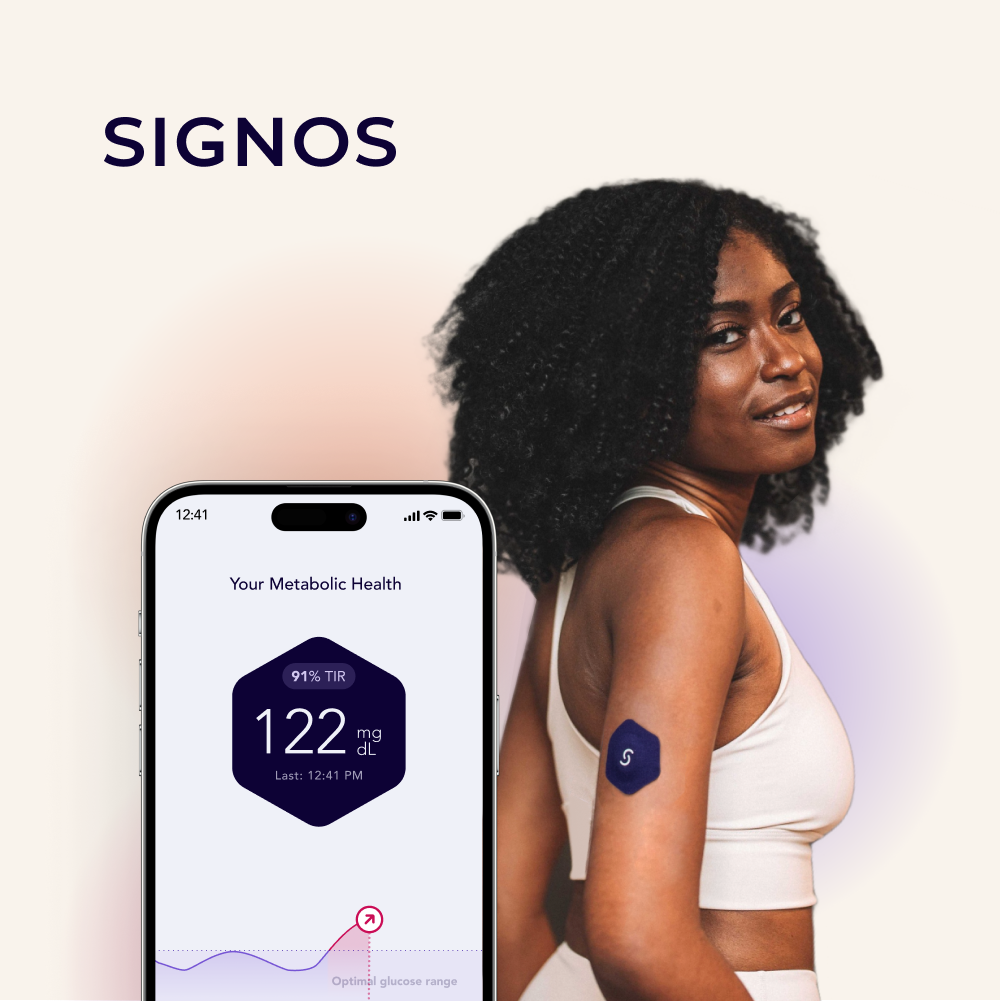
Signos is the first FDA approved weight loss solution that combines a CGM, AI and nutrition coaching. In 2026, the company expanded its capabilities further by introducing blood panel testing, enabling a more comprehensive view of metabolic health beyond glucose alone. Backed by strategic investments from Dexcom and Google Ventures, Signos is clearly moving toward a multi-layered biometric platform (2).
Nourish

Nourish is embedding clinical nutrition deeper into the healthcare system by integrating diagnostic testing into its dietetic services. By adding blood testing panels, it enables registered dietitians to base interventions on objective biomarkers such as lipid profiles, micronutrient status and metabolic markers (4).
Noom
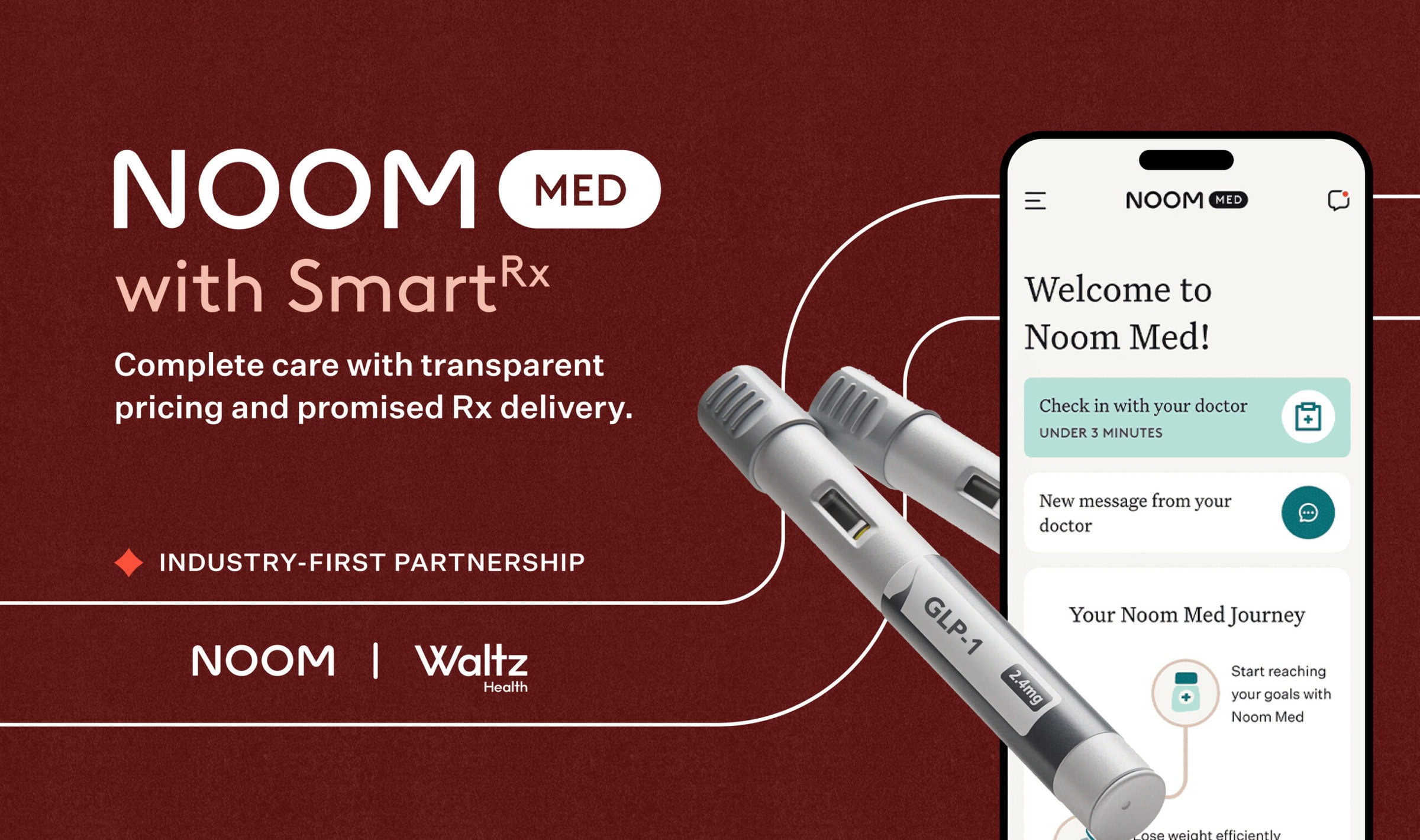
Noom, originally known for its psychology-driven weight loss approach, is expanding into a more medically integrated model. Its platform combines cognitive behavioural therapy (CBT), human coaching, and digital tools with emerging features such as at-home blood testing and metabolic tracking. The inclusion of lab data allows Noom to personalise interventions beyond behavioural patterns (6).
Weight Watchers
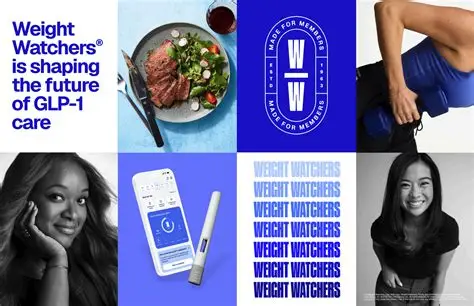
Weight Watchers is undergoing one of the most visible transformations in the category. Moving away from its traditional in-person groups, the company is pivoting toward a digital-first, clinically integrated model. Central to this shift is the incorporation of GLP-1 medications into its programme, reflecting the growing medicalisation of weight management. In parallel, Weight Watchers is introducing AI-powered tools such as body scanning technology, enabling users to track body composition and physical changes more dynamically (8).
Behavior Change and Engagement
One of the most significant shifts is how behaviour change is being delivered, with continuous glucose monitors (CGMs) emerging as engagement tools allowing immediate feedback that static nutrition advice rarely achieves. A 2026 JMIR Human Factors study using real-world app data found that CGM users demonstrated improved engagement and dietary awareness (9). Meanwhile, systematic reviews of randomised controlled trials suggest CGMs can support behaviour change across both diabetic and non-diabetic populations (10).
Goal-setting research shows that personalised nutrition advice, especially when aligned with individual goal orientation, drives more meaningful dietary change than generic recommendations (11). Add gamification elements, streaks, and adaptive nudges, and platforms begin to resemble behavioural operating systems rather than static tools.
Behaviour change is becoming continuous, contextual, and data driven.
Weight as a biomarker within a broader health system
Perhaps the most important conceptual shift is this: weight is no longer the main character. Instead, it is being repositioned as one biomarker within a broader metabolic system.
This systems-thinking approach reframes weight as an output of multiple interacting variables: glucose regulation, sleep, stress, diet quality, physical activity, and even microbiome health. The goal shifts from “losing weight” to improving overall metabolic function.
This is where personalised nutrition plays a critical role. By tailoring dietary recommendations to individual responses, rather than population averages, platforms can intervene earlier and more precisely.
Preventative health, long discussed but rarely operationalised, is finally becoming more tangible through these integrated systems.
Gaps and Challenges
Despite the innovation, the ecosystem is far from seamless.
Cost remains a major barrier. GLP-1 medications are still inaccessible for many without insurance, and advanced platforms often operate on tiered or premium pricing models. This raises a real risk of widening health inequalities, where the most sophisticated tools are available only to those who can afford them.
There is also fragmentation. No single company currently owns the full journey—and arguably, that is not what consumers want. Many prefer a network of specialised providers.
However, the lack of integration creates friction. A user might access GLP-1 prescriptions and dietetic support through one platform, but pay out of pocket for additional biomarker testing, personalised supplements, meal delivery, or fitness coaching elsewhere. The burden of stitching these pieces together still falls largely on the individual.
Data overload is another challenge. More data does not automatically mean better outcomes. Without clear, actionable insights, users can become overwhelmed or disengaged. The winners in this space will not be those who collect the most data, but those who translate it into simple, evidence-based actions.
We must avoid becoming data rich but insight poor.
Finally, questions remain around clinical validity. Not all consumer-facing tools are backed by robust evidence, and the line between wellness and medical care is becoming increasingly blurred.
What this means for companies
The competitive landscape is shifting toward ecosystem building.
Rather than trying to own every component, companies are increasingly positioning themselves as orchestrators - integrating services, forming strategic partnerships, and creating seamless user journeys across multiple touchpoints.
Differentiation is likely to hinge on three factors:
- Data integration: the ability to combine and interpret multiple data streams into coherent insights
- Clinical credibility: embedding evidence-based practice and qualified professionals into the platform
- Behaviour change capability: translating insights into sustained, real-world action
For food and beverage companies, this shift is particularly significant. As platforms begin to provide real-time product recommendations and scoring systems, purchasing decisions may move from brand-driven to algorithm-driven. Integration with digital health platforms, and even social media ecosystems, could redefine how products are discovered, evaluated and consumed. Embedding dietitians and clinicians into these systems will also become increasingly important, both for credibility and for delivering truly personalised care.
The Qina Take
What was once a fragmented category led by lifestyle, is now evolving into an integrated health ecosystem - combining clinical care, real-time data and personalised nutrition. Platforms like Signos, Nourish, Noom, and Weight Watchers are not just adding features; they are reshaping how individuals understand and manage their health, shifting the focus from weight alone to continuous well-rounded healthcare.
As platforms move closer to everyday decision-making, for example guiding what people eat, track, and prioritise, they are becoming powerful mediators between consumers and the food system. For industry players, the question is no longer whether this transformation will impact them, but how quickly they can adapt to a world where algorithms, not aisles, increasingly shape choice.
References
-
- Signos - Signos | Continuous Glucose Monitoring for Weight Management
- AI health tech startup Signos expands partnership with Dexcom
- Nourish - Nourish
- Nourish to offer free lab testing for members to inform care
- Noom - Lose Weight Easily with Noom's Smart Weight Loss Program
- Noom Launches At-Home Labs | Fitt Insider
- Weight watchers - Weight Loss Program, Recipes & Help
- Weight Watchers Launches GLP-1 Support Programme
- JMIR Human Factors - Continuous Glucose Monitoring for Personalized Nutrition in Real-World Vively App Users: Retrospective Observational Study
- The efficacy of using continuous glucose monitoring as a behaviour change tool in populations with and without diabetes: a systematic review and meta-analysis of randomised controlled trials - PMC
- Goal orientation is a key determinant of healthy dietary behaviour change in European adults receiving personalised vs. non-personalised nutrition advice - Food & Function (RSC Publishing)