The missing gap between data and formulation
Oct 22, 2026
When someone starts a GLP-1, they enter a new industry: one that sits at the intersection of food, health, pharma and tech. They become a consumer and a user at the same time, yet brands treat them the same.
Right now, GLP-1 adoption shows no signs of slowing down.
Yet brands and retailers risk repeating old mistakes. As IGD recently highlighted, treating GLP-1 as a static shopper segment is far too blunt. Creating a dedicated shelf labeled 'GLP-1' stocked with high-protein snacks treats complex physiology like a standard diet trend.
Recent trend signals, including Holland & Barrett's focus on the muscle economy and Whole Foods' projections, point to a different reality: consumers do not divide their health into separate shopping missions. The same individual is often managing muscle preservation, metabolic health, menopause, gut health, and nutrient density all at once.
When appetite suppresses daily food intake by 30 to 50%, putting another generic high-protein bar on a shelf misses the biological reality.
In our view, there are two immediate gaps:
Medical nutrition gap: GLP-1 users are metabolically less flexible, yes, but they may have additional conditions that need to be considered and balanced in terms of nutrient intake such as IBS, Food intolerances, Hypertension. That means that personalised recommendations can quickly shift into medical nutrition territory, which requires specialist knowledge, increases risk for companies and can increase confusion for the consumer as they will use AI to search for answers about their individual needs.
Formulation gap: In my presention I highlighted the dire state of the inclusion of nutritional intake across different treatment stages. According to two systematic reviews published this year alone, the number of GLP-1 studies that included nutrition, is less than 10 (while there are currently over 20 million known users). This means product formulation happens in the dark.
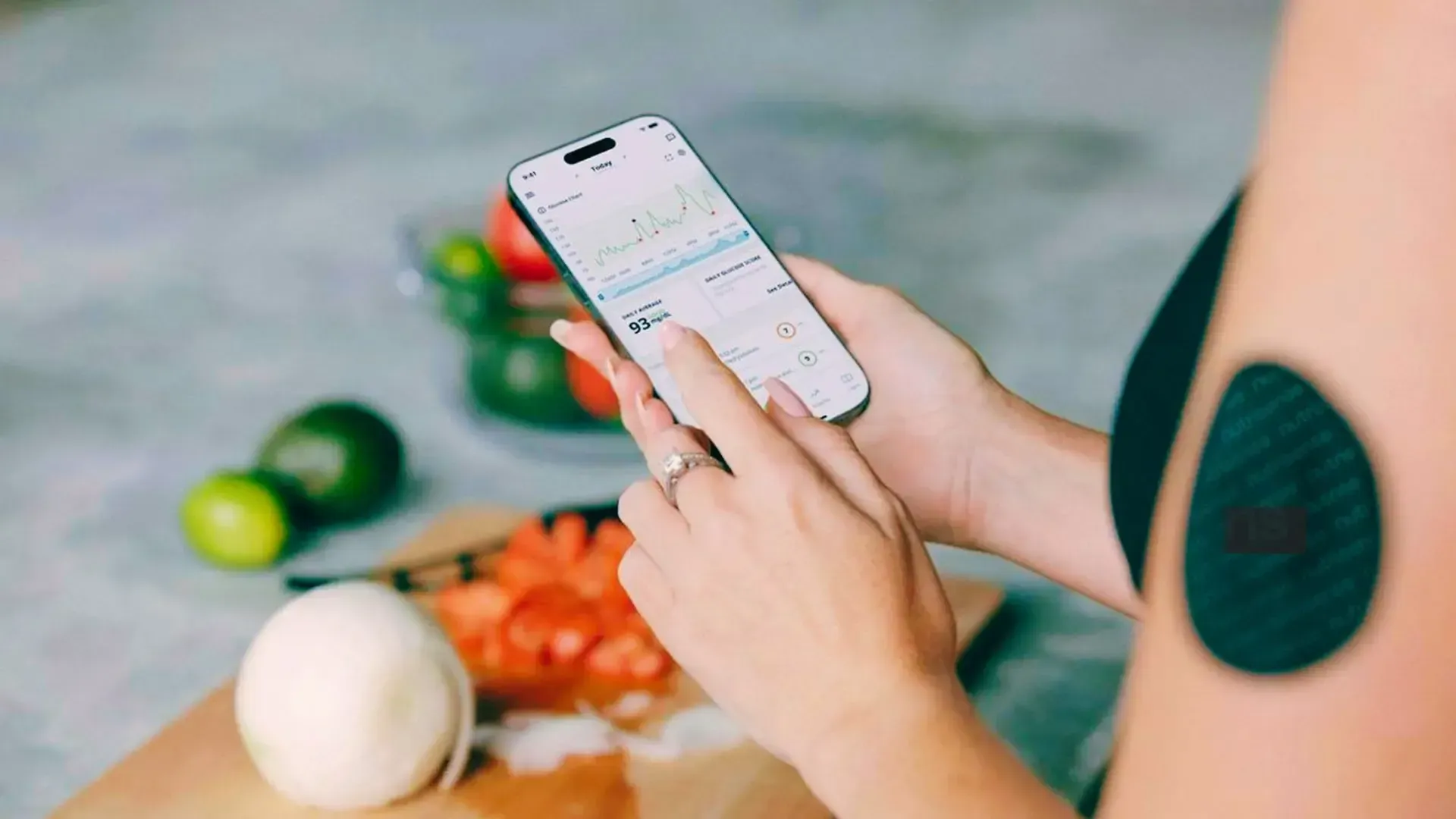
Innovation needs to evolve to include a better understanding of the physiological, psychological, health and nutritional status and needs of the GLP-1 user in the real world. This is where nutrition intelligence bridges food, health, behavior and pharma by pairing real-time longitudinal data with clinical domain expertise and behavior change.
If you lead product development, clinical strategy, or innovation across food, pharma, or health tech, these are important issues to raise to the board.
To find out how our nutrition-behavior intelligence layer and consultancy can help you bridge that gap, do get in touch.