
Digital Food & Health Nutrition for Evidence-Based Product and Strategy Teams
Digital Food Health Innovation
Helping food, ingredient, nutrition, pharma and health-tech teams turn data into measurable health impact.
Digital Food Health is the convergence of food, health, technology and behaviour change. It matters because companies can no longer rely on generic wellness positioning or siloed innovation. Consumers, patients and partners now expect solutions that are more personalised, evidence-based and relevant to real life. For food and ingredient teams, this means building products with clearer health relevance. For pharma and health-tech teams, it means supporting outcomes beyond treatment and data collection alone. For all players, it means connecting food intelligence with real-world health impact.
Why Digital Food Health matters now
The market is moving fast. Prevention is rising up the agenda. AI is reshaping how data is collected and used. Consumers are asking harder questions about proof, transparency and trust. And the conversation is shifting from short-term fixes to long-term healthspan.
At the same time, the boundaries between food, nutrition, healthcare and digital health are blurring. What used to sit in separate categories is now becoming one connected ecosystem.
The technologies driving the ecosystem
Digital Food Health is powered by a set of technologies that make nutrition support more scalable, personalised and outcome-focused.
Telehealth
Telehealth connects consumers to qualified professionals, making nutrition, behaviour and lifestyle support more accessible and more continuous.
Wearables
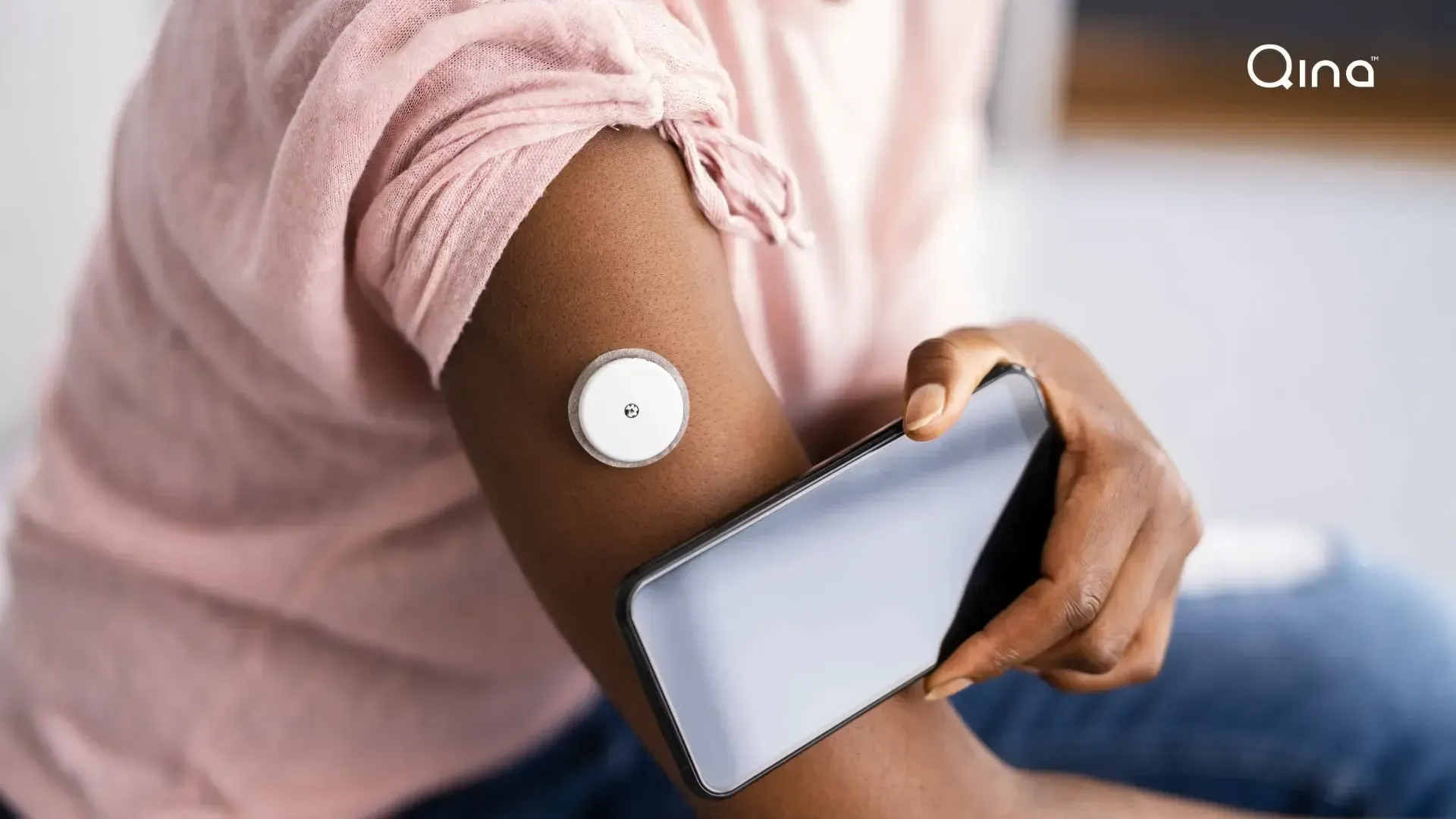
Wearables help track real-life signals such as movement, sleep, heart rate and glucose, creating a stronger bridge between everyday behaviour and health insight.
AI
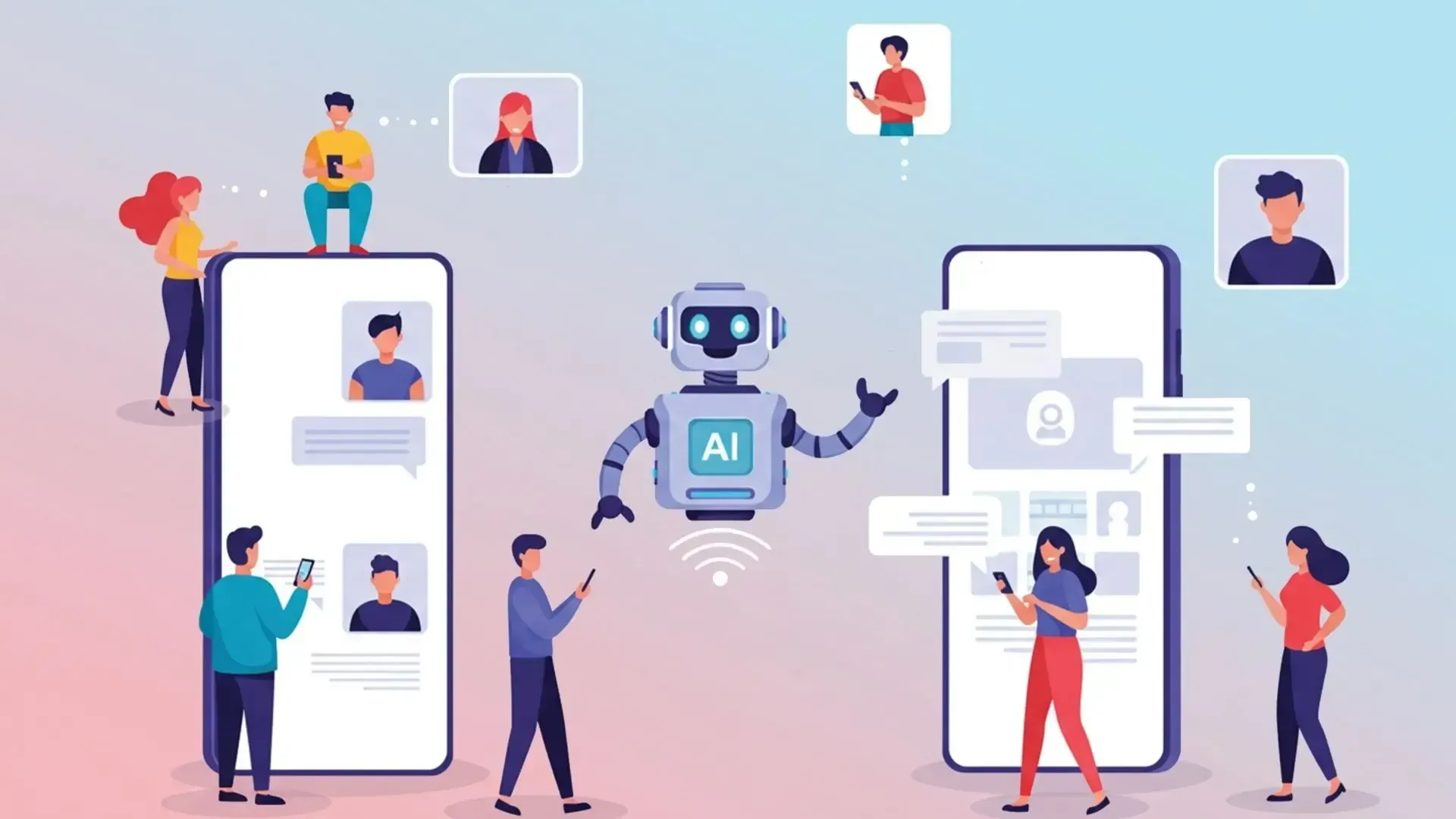
AI technologies such as machine learning, computer vision, neural networks and voice activation can improve personalisation, pattern recognition, decision support and speed to insight. But AI only creates value when supported by strong data, clear use cases and responsible implementation.
Behaviour change techniques enabled in a digital context
Data alone does not create better outcomes. Sustainable impact depends on coaching, motivation, context, habit formation and practical support. Behaviour change techniques such as gamification, social comparison, biological experiments can be used to deliver behaviour change in a digital context.
Apps and chat interfaces
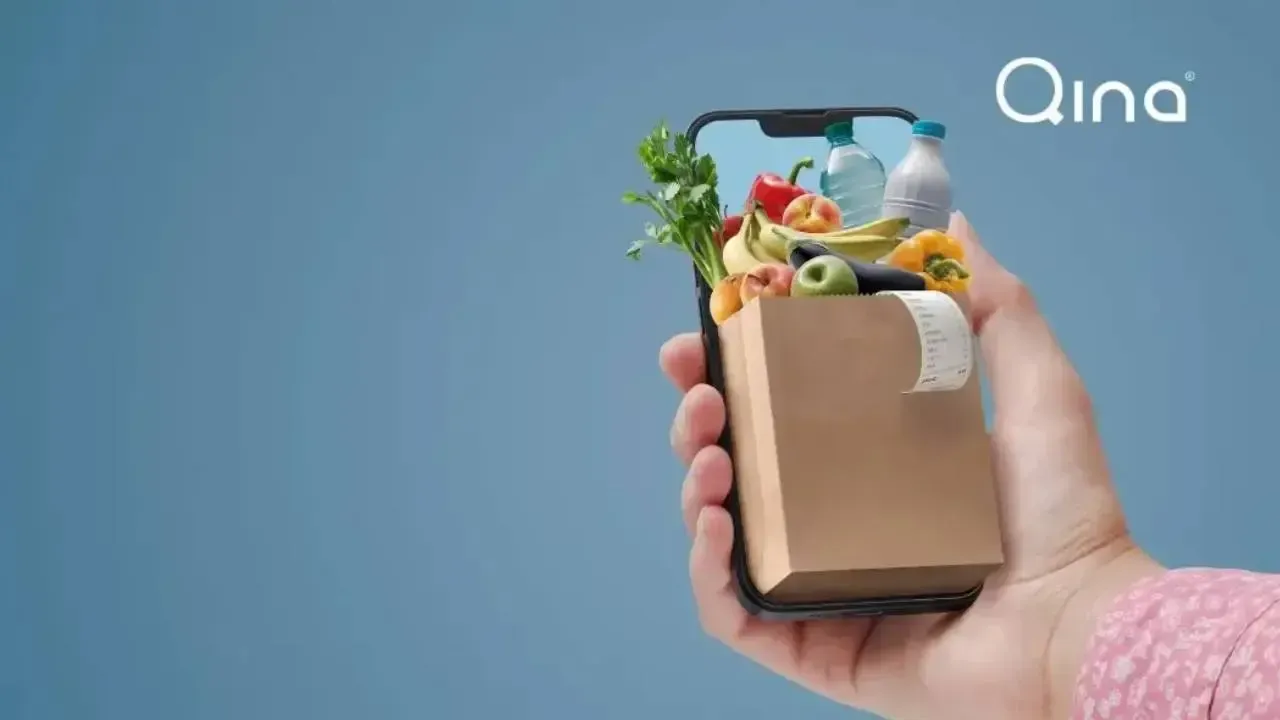
Apps make it easier to combine tracking, education, recommendations, nudges and rewards in one user experience. In addition consumers use apps to view ingredients and levels of ingredient processing.
Biomarkers
Biomarkers whether digital or biological can provide feedback loops that help translate nutrition and lifestyle actions into measurable outcomes. These form part of strategies for behaviour change.
Read our articles on the intersection of digital food, health and tech




The Market shifts shaping Digital Food and Health innovation
A stronger shift towards prevention
Healthcare systems, employers, insurers and consumers are increasingly focused on reducing the long-term burden of chronic disease through earlier and more practical interventions.
Rapid adoption of AI
AI is moving quickly into healthcare, nutrition and consumer health. The opportunity is significant, but so is the need for representative data, transparency and human oversight.
Rising demand for transparency
Consumers want to know what works, for whom, and why. Vague claims are no longer enough.
Greater focus on scientific rigor
As the market matures, credibility depends on proving efficacy, not just driving engagement.
More attention on healthspan
The goal is no longer just longevity. It is healthier years, better function and stronger quality of life.
Food as medicine moving into the mainstream
Food is increasingly being recognised as part of prevention and care delivery, opening new opportunities for cross-sector collaboration.
GLP-1 treatment and maintenance
GLP-1 is creating new demand for nutrition guidance, product innovation and long-term support before, during and after treatment.
Heightened focus on Women's health
An increased focus and awareness of the gender differences in responses to products and ingredients, companies are increasingly investing on creating brands and products that focus on women's health from menstruation, fertility and Menopause.
Read our perspectives and insights on how these shifts are impacting the pace and type of innovation




Where Digital Food Health is already creating value in innovation
Blood sugar control
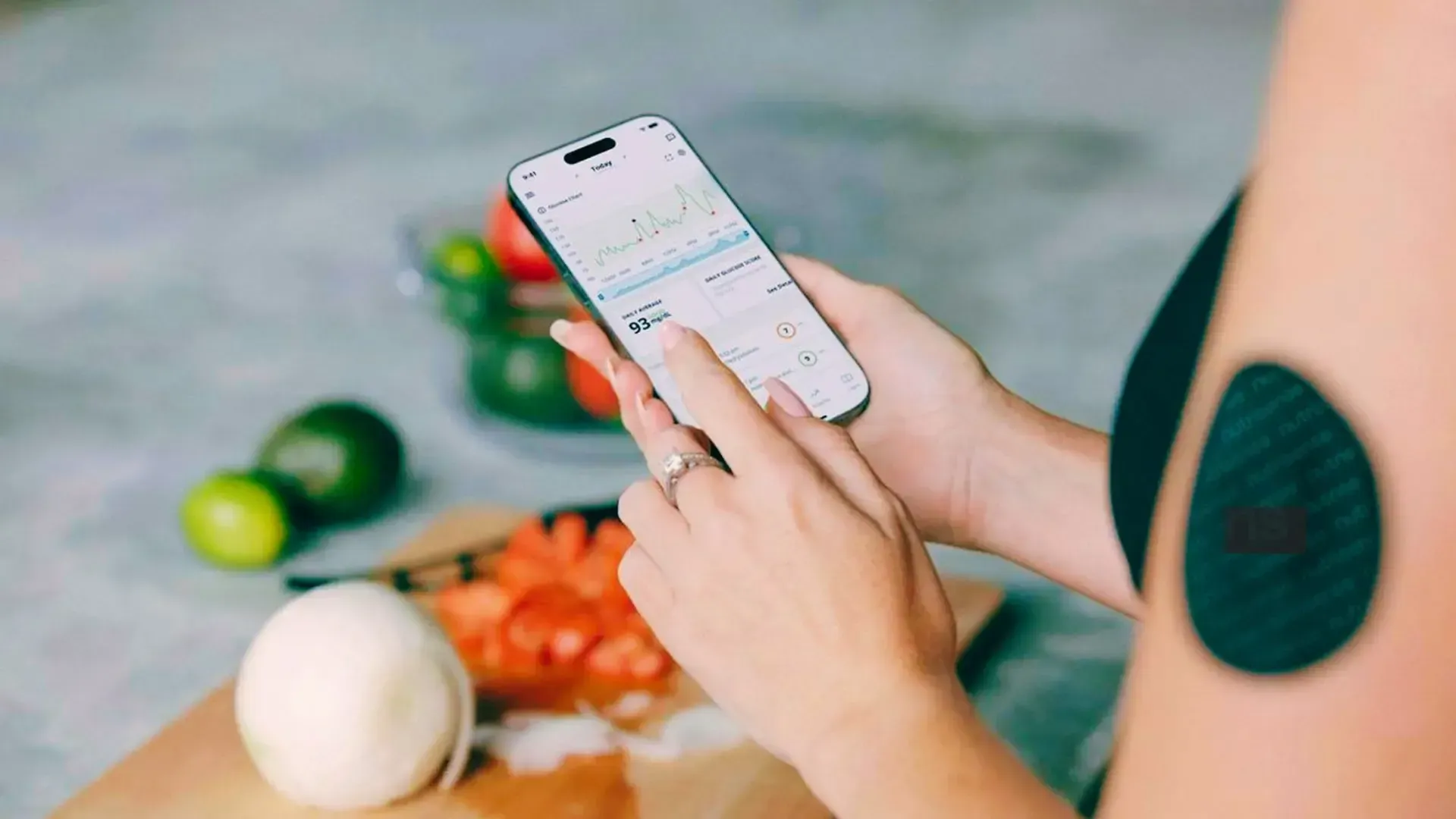
Digital tools, wearables and biomarkers such as continuous glucose monitoring are helping translate blood sugar data into more tailored nutrition, targeted food solutions and lifestyle support.
Fibre and biotics for gut health
Gut health innovation continues to grow, with fibre, prebiotics, probiotics and postbiotics playing a larger role in digestive and metabolic health strategies.
Protein for healthspan and muscle function
Protein is becoming more important in healthy ageing, muscle maintenance, satiety and GLP-1-related nutrition support.
Precision fermentation as a means to develop sustainable and affordable nutrition
Algae and plant-based sources are gaining attention as a future-facing ingredient with potential across sustainability, alternative nutrition and functional food innovation.
Better for you ingredients
As consumer demand for healthier products increases, a wave of reformulation, inclusion of fiber and even selling off entire brands is shifting what is available on shelves in the retail stores.
What the evolution of the emerging Food-Health industry means for innovation
We are at an inflection point in the industry that requires new business models where success and incentives are aligned to health, societal happiness and extended healthspan.
It means that data needs to be leveraged and combined in a way that contributes to a world where the focus is on less waste, better nutrition and equal access to health and nutrition solutions.
Thinking about Behaviour change
There is a clear shifts from simply marketing led product development to entire solutions and platforms that lead to sustainable behavior change which will ultimately lead to measurable health and behavioral outcomes.
Read: Why behaviour change is the unlock for innovation in a digital era





Considering People and planet
Consumers are increasingly making food and lifestyle choices based on how well solutions match their values and beliefs. In order to ensure affordability and accessibility to healthier living, all stakeholders will need to consider how solutions impact people and planet.




Data as gold for personalization
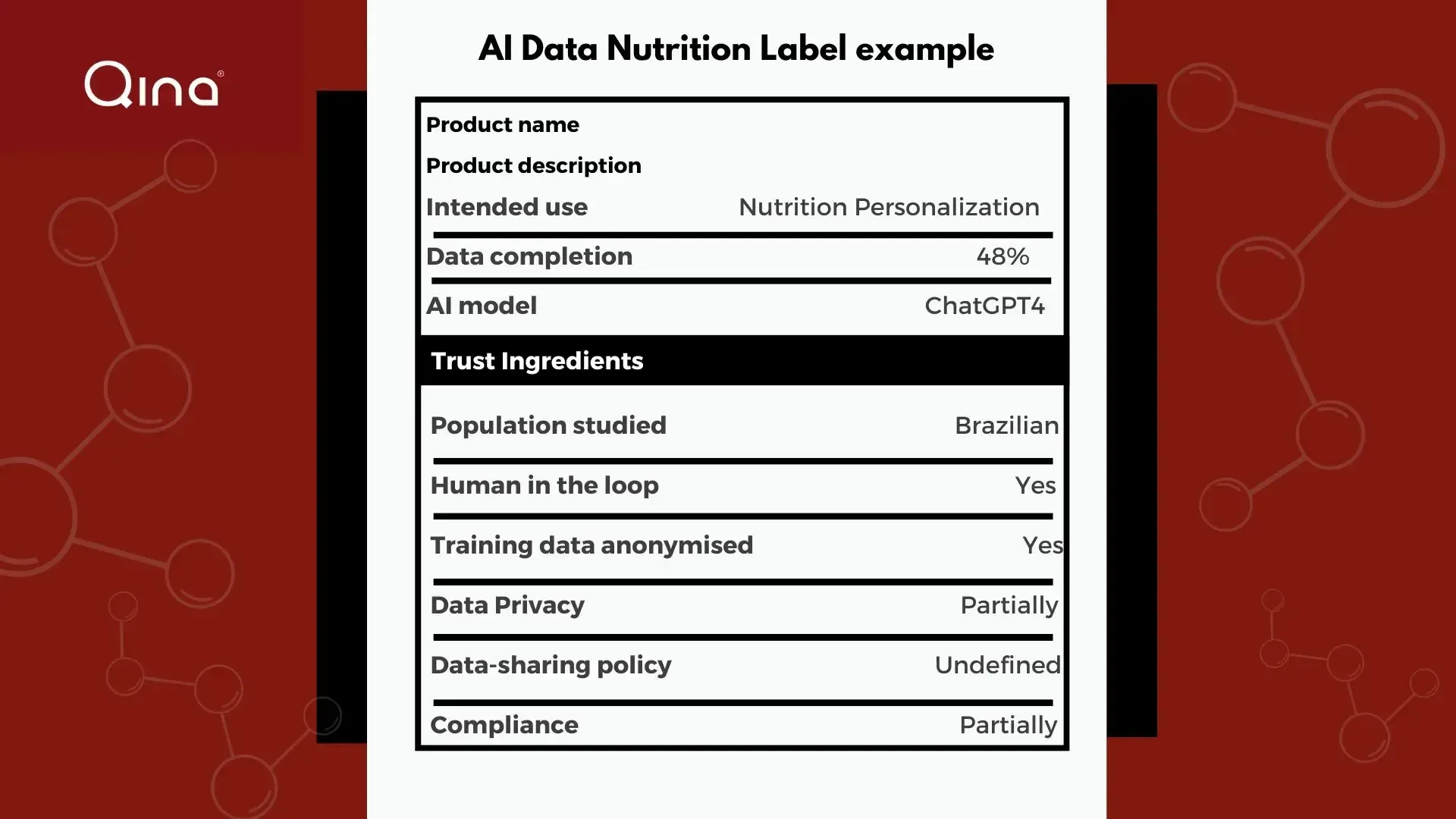
As consumers come to expect personalization in all aspects of their lives, this requires data. However, the type, quality, acquisition and ownership raises important questions for the evolution of the Food Health market.
Sign up for free monthly industry updatesRead our articles and insights on data and personalisation




Common mistakes teams still make
1. Not proving efficacy
Too many solutions are launched with ambitious claims but limited evidence. Without proof, credibility is hard to sustain.
2. Collecting the wrong data
Many companies gather more data, but not better data. Without the right outcomes, context and longitudinal signals, it is difficult to link food exposure to real health impact.
3. Failing to connect food intelligence with health outcomes
Commercial insight, ingredient intelligence, digital engagement and health data often sit in silos. That slows innovation and weakens relevance.
4. Treating AI as the strategy
AI is an enabler, not the strategy itself. Without a strong data and evidence plan, AI adds noise rather than value.
5. Innovating in silos
Digital Food Health requires a transdisciplinary approach that combines nutrition science, behaviour change, clinical thinking, digital design, data science and business strategy. Innovation in a digital era means going beyond personas and segments.
How Qina helps
Qina helps organisations innovate more clearly, quickly and credibly at the intersection of food, health and technology.
We support teams by:
-
Developing clearer strategies grounded in market shifts and white-space opportunities
-
Driving agile innovation without losing scientific credibility
-
Blending market intelligence, consumer insight and real-world data
-
Bringing together expertise in nutrition, behaviour change and personalised health
-
Integrating research and telehealth to strengthen evidence and delivery
-
Helping organisations move from fragmented signals to evidence-led innovation
-
Aligning teams to achieve strategic business goals
Services
Domain expert support and insights from ideation to execution
Digital tools
Leveraging AI tools with expert oversight to deliver insights at speed
Research
Generating Real-world Evidence using digital tools and expert support
Build more credible, evidence-led Digital Food Health solutions with Qina
Sign up for the free monthly newsletter that covers the latest in the Food Health ecosystems thinking, projects and developments.
Sign up for the free monthly newsletter